 VapeWholesaleHub
Pricing Menthol Ice for Healthy Retail Margins — Warehouse Teams
Buyers often ask us to explain why two menthol ice samples that look identical behave differently after a month. The answer is almost always tolerance control, and it is more interesting than it sounds.
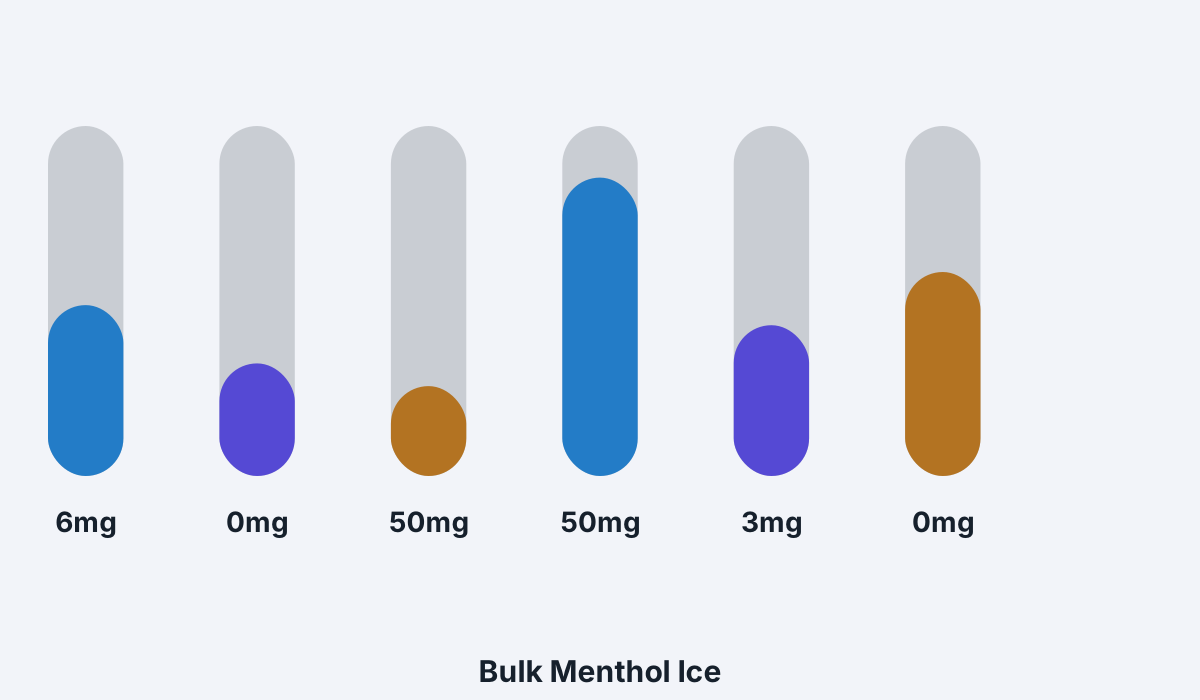
Where Demand Is Heading
Flavour cycles in menthol ice are shortening, which argues for smaller test orders and faster feedback loops rather than large speculative buys on a predicted winner.
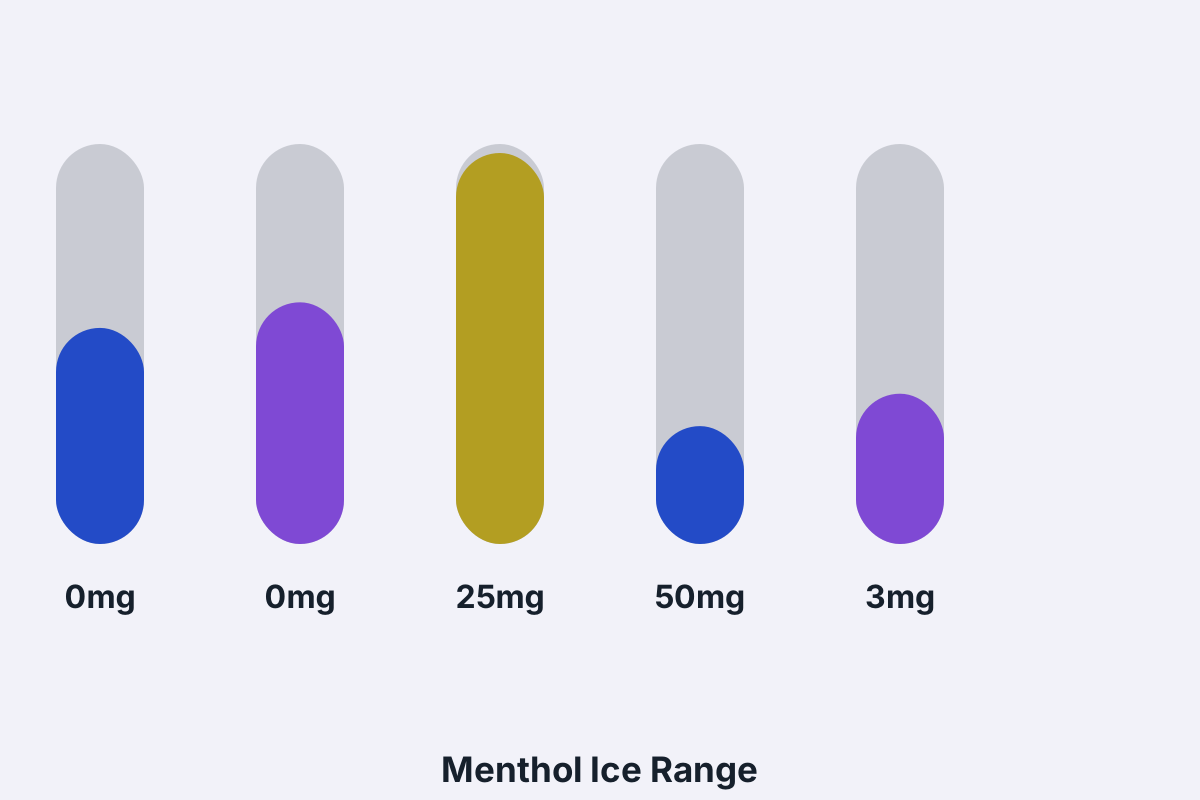
Logistics That Protect Margin
Split menthol ice shipments across two sailings when the order is large enough. It costs slightly more but removes the risk of a single event wiping out a full quarter of stock.
What Menthol Ice Really Costs Landed
Discounting menthol ice to win shelf space tends to reset customer expectations permanently. Volume support in kind, such as display material, usually costs less in the long run.
Indicative reference points for planning purposes: entry tier from USD 1.08 per unit at 2000 units, mid tier at USD 1.50, and volume tier at USD 1.15 for full container quantities. These figures move with specification, packaging and freight, so treat them as a shape rather than a quote.
Where Menthol Ice Sits in the Range
Category planning for menthol ice works best when you map it against three shopper types: the restocker who already knows what they want, the switcher who wants something stronger, and the explorer who buys on flavour name alone.
Category data for menthol ice is noisier than it looks. Promotions, weather and local competition all move weekly numbers, so read three months at a time rather than reacting to a single week.
Selling Menthol Ice at Store Level
Put menthol ice where the decision is made, not where the margin is highest. In most stores that means near the counter or at eye level in the category, rather than wherever there is spare space.
On shelf, menthol ice sells on clarity. A plain shelf talker that states strength and flavour in two words outperforms a beautifully designed but vague display, because most purchase decisions here take under ten seconds.
Practical Checklist
- Start with a mixed carton and let your own sell-through decide.
- Write the complaint threshold into the order terms.
- Plan the switch from air to sea freight before you need it.
- Model landed cost, not ex-works price, when comparing quotes.
- Confirm the current customs classification with your own broker.
- Agree the tolerance band in writing before approving artwork.
Frequently Asked Questions
Do you hold stock for regular customers?
For established programmes we can reserve production slots and, in some cases, hold finished menthol ice stock against a forecast. It removes most of the lead time risk from a reorder and is worth discussing once volumes are stable.
Can the packaging be customised?
Yes. Most menthol ice programmes use private label packaging once volumes justify the printing plate. We supply dielines, check your artwork for print issues and hold approved files so reorders need no new setup.
Can you match an existing product I already sell?
Often yes, provided we can measure it properly. Send a physical sample and we will report back on what can be matched, what will differ slightly, and why. An honest gap is more useful than a vague promise.
Can I mix strengths in one order?
In most cases yes, as long as each strength meets the minimum run length. Mixed strength cartons are popular with retailers building their first display because they show the full ladder without over committing.
Next Step
Whatever you decide, decide it against numbers you can check on arrival. That single discipline removes most of the risk from importing menthol ice.
Related Reading
- Menthol Ice Customer Feedback Loops That Improve Reorders — a Printable Checklist
- Menthol Ice Carton Engineering and Freight Density — Mixed Cabinets
- Menthol Ice Display Ideas for Small Counters — Warehouse Teams
- Menthol Ice Slow Moving Stock and Remedial Actions — First-Time Importers
- Menthol Ice Specifications Every Buyer Should Check — Cross-Border Trade
- Common Menthol Ice Mistakes New Distributors Make — Private Label Programmes